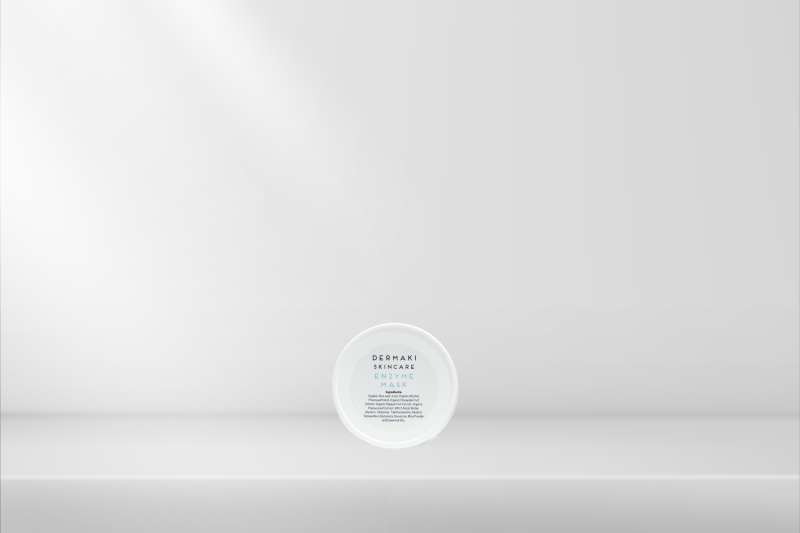
Recovery Mask – A brand new type of mask that is result driven.
Dermaki’s Recovery Mask is an impressive multi-functional formula because it combines hydration, barrier support, calming botanicals, protective ingredients, and modern skin-conditioning actives in one treatment. It makes particular sense for skin that feels dry, stressed, sensitized, or depleted after professional treatments.
Why the ingredients work so well together
Sodium Hyaluronate + Ectoin form the hydration and recovery backbone. Sodium hyaluronate is a humectant that helps attract and retain water, giving dehydrated skin a softer, plumper appearance. Ectoin is especially interesting in a recovery product because it is an extremolyte—a molecule microorganisms use to protect themselves under environmental stress. In skincare, it is valued for helping support hydration and skin-barrier resilience.
Aloe Powder + Allantoin + Green Tea Oil provide a soothing component. Aloe and allantoin are classic skin-conditioning ingredients for uncomfortable, dry, or stressed skin, while green tea-derived ingredients contribute antioxidant support.
Shea Butter + Tacuma Butter + Shea Oil + Olive Oil Esters supply the lipid-rich portion of the formula. Humectants bring water into the picture, but compromised or very dry skin also needs lipids and emollients to reduce that tight, depleted feeling. These ingredients help soften the stratum corneum and create a more comfortable, conditioned surface.
Zinc Oxide contributes a protective, soothing quality to the mask. In this type of formula, I would describe it as a skin protectant/barrier-supporting ingredient rather than making sunscreen claims unless the finished product has undergone the required SPF testing.
Comfrey Oil + Arnica Oil complement the recovery concept as traditional botanical skin-conditioning ingredients. I would be conservative with marketing language around arnica and comfrey and emphasize comfort, conditioning, and the appearance of calm skin rather than medical claims such as treating inflammation, bruising, or wounds.
Papain makes this formula particularly interesting. Papain is a proteolytic enzyme derived from papaya that can help loosen excess surface keratin and refine the feel of rough, flaky skin. Because this is a recovery mask, however, the amount of papain and the finished formula’s pH/activity matter. On freshly treated or highly sensitized skin, enzyme activity may not always be desirable.
Tripeptide adds a more advanced skin-conditioning component. The exact benefits depend on which tripeptide is being used; “tripeptide” alone isn’t specific enough to responsibly make claims about collagen, repair, firmness, or signaling activity.
Silver Citrate is commonly used for its antimicrobial/preservative-supporting properties in cosmetic formulations, helping support the integrity of the finished product. I would not market the mask as treating or preventing infection.
How to use Recovery Mask
Apply an even, comfortable layer to clean skin, avoiding the immediate eye area unless the finished product has been specifically formulated and tested for that use. Allow the mask to remain on the skin for approximately 10–15 minutes, then remove gently with cool-to-lukewarm water or soft damp esthetic wipes. Avoid aggressive rubbing.
For especially dry or depleted skin, follow with an appropriate barrier-supporting moisturizer. During daytime use, finish with broad-spectrum sunscreen.
For professional use after procedures, I would create procedure-specific protocols rather than one universal “post-treatment” direction. Microneedling, laser, chemical peels, waxing, dermaplaning, and other procedures leave the skin in very different conditions, and papain/botanicals may not be appropriate immediately after every procedure.
The Dermaki story behind this formula
What makes the Recovery Mask compelling is that it doesn’t approach recovery with just one “hero” ingredient. It addresses several aspects of stressed skin simultaneously:
Water → Sodium Hyaluronate + Ectoin
Comfort → Aloe + Allantoin + botanicals
Lipids → Shea + Tacuma + Olive-derived emollients
Protection → Zinc Oxide
Surface refinement → Papain
Advanced conditioning → Tripeptide
Formula protection → Silver Citrate
That creates a nice hydrate → soothe → replenish → protect philosophy, which fits very naturally with a corneotherapy-oriented approach.