

Skincare – Acne & Inflammation
Dermaki routine guide
Clearer skin, calmer care.
A barrier-aware approach for acne, inflammation, and the routines that support healthier-looking skin.
Acne
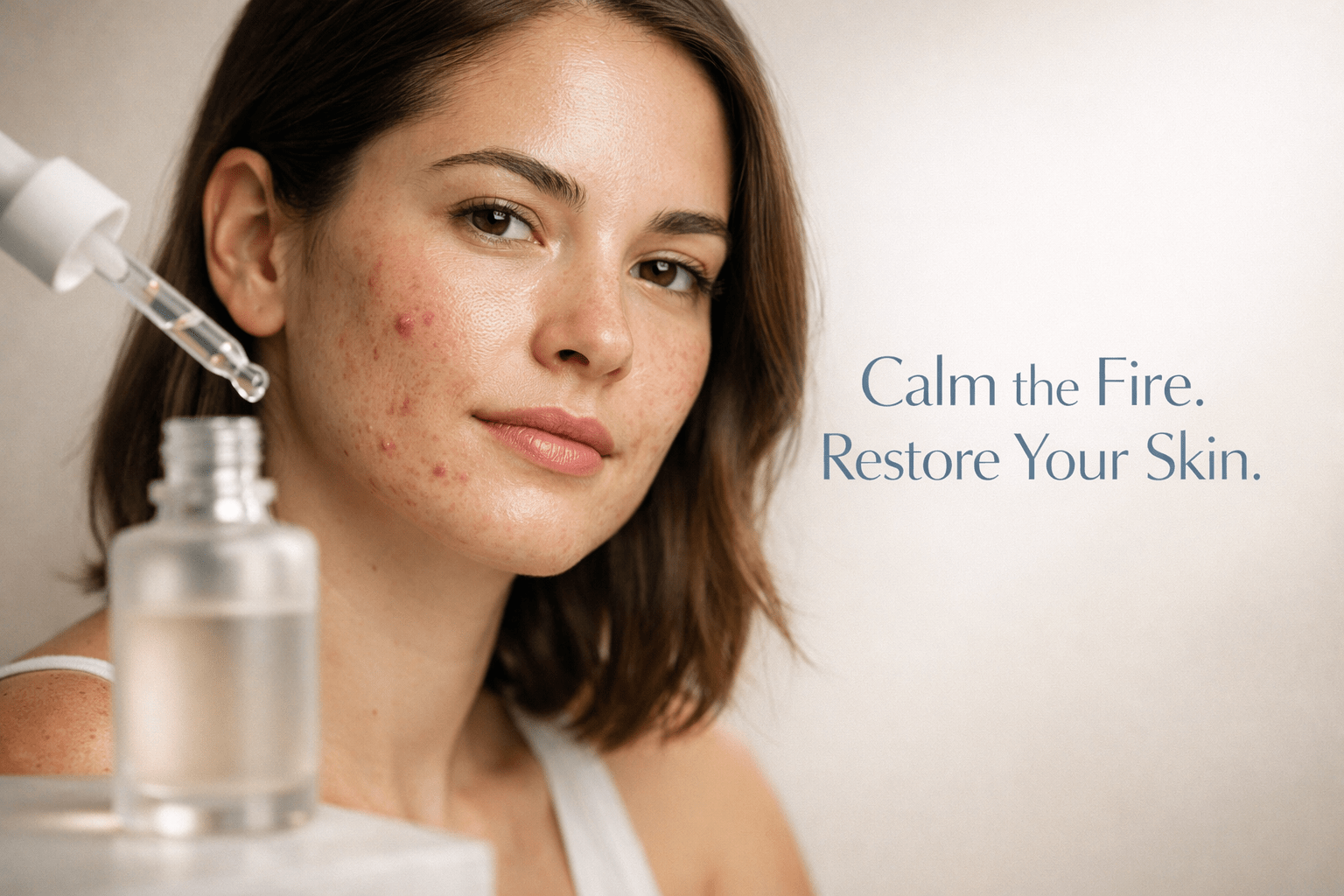
Acne is a common skin condition that can affect people of all ages, though it’s most commonly associated with adolescence. It occurs when hair follicles become clogged with oil, dead skin cells, and sometimes bacteria, leading to inflammation and the formation of pimples, blackheads, and cysts. Here’s a breakdown of what causes acne and what you can do about it:
The Dangers of Stripping Your Skin
Stripping the skin of its natural oils can have serious consequences, particularly for those struggling with acne or sensitive skin.
Why Stripping is Harmful
Destroys the Acid Mantle – The acid mantle is a protective barrier that shields the skin from bacteria, pollutants, and environmental damage. When this barrier is compromised, the skin becomes more prone to acne, infections, and irritation.
Triggers Oil Imbalance – Stripping the skin leads to excess sebum production as the skin tries to compensate for lost moisture. This often results in oilier skin and more breakouts, worsening acne instead of improving it.
Increases Acne & Infections – Without its natural barrier, the skin becomes more susceptible to bacterial overgrowth, leading to clogged pores, breakouts, and inflammation.
What Happens When You Strip Your Skin?
Increased acne due to bacterial overgrowth
Higher risk of infection and irritation
Overproduction of oil (sebum), making skin even oilier
The Right Approach to Fighting Acne
Instead of harsh, stripping treatments, our approach is to balance, heal, and protect the skin using key ingredients that:
Reduce inflammation
Support the acid mantle
Regulate oil production
Fight acne-causing bacteria
Causes of Acne:
-
Excess Oil Production (Sebum):
- The sebaceous glands in your skin produce oil (sebum) to keep the skin hydrated. However, excess sebum can clog pores, trapping bacteria, dead skin cells, and other debris inside. This can lead to acne breakouts.
-
Clogged Pores (Comedones):
- When dead skin cells don’t shed properly, they can accumulate and clog hair follicles. This forms comedones, which can turn into blackheads (open comedones) or whiteheads (closed comedones).
-
Hormonal Changes:
- Hormones play a significant role in acne. Androgens (male hormones that both men and women have) increase during puberty, menstruation, pregnancy, and conditions like polycystic ovary syndrome (PCOS). These hormonal shifts can enlarge sebaceous glands and lead to more oil production.
- Hormonal acne often appears along the jawline, chin, and neck.
-
Bacterial Growth (P. acnes):
- Propionibacterium acnes (P. acnes) is a bacteria naturally found on the skin. When pores become clogged with excess oil and dead skin cells, the bacteria thrive in the blocked follicles, causing inflammation and pimples.
-
Inflammation:
- When the clogged pores become infected with bacteria, the body’s immune response creates inflammation. This leads to red, swollen pimples, cysts, or nodules.
-
Diet and Lifestyle:
- Diets high in sugar, dairy, or processed foods may exacerbate acne in some individuals, though the relationship is still being studied.
- Stress can also play a role, as it triggers hormonal fluctuations that may increase sebum production.
-
Cosmetic Products (Comedogenicity):
- Some skincare and makeup products contain ingredients that can clog pores, known as comedogenic ingredients. Using products that aren’t labeled “non-comedogenic” can contribute to acne.
-
Medications:
- Certain medications, such as corticosteroids, birth control pills, and other drugs, can contribute to acne breakouts due to their hormonal effects.
-
Genetics:
- If your parents had acne, you may be more prone to developing it due to inherited factors that affect oil production, skin cell turnover, and inflammation.
What You Can Do About Acne:
Skincare and Lifestyle Tips:
-
Cleansing:
- Gentle cleansing: Wash your face twice a day with a gentle, non-comedogenic cleanser to remove excess oil, dirt, and impurities. Avoid harsh scrubbing, which can irritate the skin and worsen acne.
- Avoid over-washing: Over-washing can strip your skin of natural oils, leading to more oil production.
-
Topical Treatments:
- Salicylic acid: A beta-hydroxy acid (BHA) that helps exfoliate inside the pores, keeping them clear of oil and debris. It’s excellent for treating blackheads and whiteheads.
- Benzoyl peroxide: Helps kill the acne-causing bacteria P. acnes and reduce inflammation. It’s effective for treating more severe acne.
- Retinoids (Retinol or Tretinoin): These increase cell turnover, preventing pores from becoming clogged. They can also reduce the appearance of acne scars over time. Retinoids should be used at night, as they can make your skin more sensitive to the sun.
- Niacinamide: A soothing anti-inflammatory ingredient that can help reduce redness, control oil, and calm breakouts.
-
Avoid Picking or Squeezing Acne:
- Picking at acne can introduce more bacteria, increase inflammation, and lead to scarring. Let your acne heal naturally or with proper treatment.
-
Non-comedogenic Products:
- Opt for skincare and makeup products labeled “non-comedogenic,” meaning they won’t clog pores. Choose oil-free formulas that are less likely to contribute to acne.
-
Moisturize:
- Even if you have oily skin, don’t skip moisturizer. Use a lightweight, oil-free, non-comedogenic moisturizer to keep the skin hydrated without adding excess oil.
-
Sun Protection:
- Use Dermaki’s broad-spectrum sunscreen Mineral Shield. Some acne medications, like benzoyl peroxide and retinoids, can make the skin more sensitive to UV rays, increasing the risk of sunburn and hyperpigmentation.
-
Diet and Hydration:
- While diet’s role in acne is still being studied, some people find that cutting down on sugary foods, dairy, or high-glycemic foods (like white bread and pasta) helps reduce breakouts.
- Stay hydrated by drinking plenty of water, which can help maintain skin health.
-
Stress Management:
- Since stress can exacerbate acne, consider incorporating stress-reducing activities like yoga, meditation, exercise, or relaxation techniques into your routine.
-
Consult a Dermatologist:
-
If acne is severe, persistent, or leading to scarring, it’s best to consult a dermatologist. They may recommend treatments like:
- Prescription medications (oral antibiotics, oral contraceptives, or spironolactone for hormone-related acne).
- Topical treatments (stronger retinoids or benzoyl peroxide).
- Chemical peels, laser therapy, or light therapy to target acne and reduce scarring.
-
Cystic Acne
Cystic acne is a severe form of acne that occurs when pores become deeply inflamed, leading to painful, pus-filled cysts. It requires a holistic approach that includes gentle skincare, internal wellness, and lifestyle adjustments.
Recommended Skincare Routine for Cystic Acne
- Clarifying Cleanser – A gentle, non-stripping cleanser with zinc oxide, green tea, and tamanu oil to reduce inflammation and soothe acne-prone skin.
- Clarifying Face & Body Bar – Contains tea tree, copaiba, and round leaf buchu extract, which help fight acne bacteria and inflammation.
- Clarifying Mist – A hydrating and antibacterial toner with oregano oil, tamanu oil, and copaiba to calm breakouts.
- Clarifying Serum – A treatment serum with retinyl palmitate (Vitamin A), rosehip oil, and tea tree oil to target breakouts and heal the skin.
- Clarifying Complex – A concentrated treatment with tamanu oil, oregano oil, and tea tree essential oil for deep acne healing.
- Inflammation Powder – Can be mixed with cleansers or serums to reduce redness and swelling from active breakouts.
- Apply Barrier Repair daily.
Recommended Skincare Routine for Pustular and Hormonal Acne
- Clarifying Cleanser – A lotion-based, non-stripping cleanser with zinc oxide, green tea, and tamanu oil to reduce redness and kill acne-causing bacteria.
- Clarifying Face & Body Bar – A gentle cleansing bar infused with tea tree, copaiba, and round leaf buchu extract to deeply purify without over-drying.
- Clarifying Mist – A balancing toner featuring oregano oil, tamanu oil, and copaiba to help disinfect and reduce pustular breakouts.
- Clarifying Serum – Contains Vitamin A (retinyl palmitate), rosehip oil, and tea tree essential oil to promote skin healing and reduce inflammation.
- Clarifying Complex – A spot treatment with tamanu oil, oregano oil, and tea tree essential oil to help shrink pustules and prevent scarring.
- Inflammation Powder – A powerful anti-inflammatory blend with zinc oxide, green tea, and turmeric to reduce redness and irritation. Mix with cleanser or serum for a custom mask.
- Exfoliating Cleanser (2% Mandelic Acid) – A gentle exfoliant to unclog pores and prevent future breakouts.
- Apply Barrier Repair daily.
Holistic Skincare & Lifestyle Tips for Pustular and Hormonal Acne
Internal Support:
Gut Health – Add probiotic-rich foods like kimchi, sauerkraut, and yogurt to balance your microbiome.
Blood Sugar Balance – Avoid high-glycemic foods (sugary snacks, white bread) that spike insulin and worsen acne.
Liver Support – Detox with foods like beets, dandelion tea, and leafy greens to help the body clear out toxins.
Lifestyle Adjustments:
Reduce Stress – High cortisol levels can increase breakouts. Try yoga, meditation, or journaling.
Change Pillowcases Often – Bacteria and oil buildup can make pustular acne worse. Switch to silk pillowcases and wash them 2x a week.
No Picking! – Popping pustules can spread bacteria and cause post-inflammatory hyperpigmentation (PIH).